
Menopausal Skin Treatment in Dubai: A Considered Approach to Skin Health
Menopause can bring noticeable changes to the skin. As hormonal levels change, the skin may become drier, more sensitive, thinner-looking, or less firm. Some people may also experience increased pigmentation, dullness, changes in texture, or a greater tendency towards irritation.
At AB Dhingra, menopausal skin is approached by understanding how the skin has changed rather than treating individual symptoms in isolation. A personalised approach considers your skin type, sensitivity, current concerns, skincare routine, lifestyle, previous treatments, and changing skin needs.
The goal is healthier-looking, comfortable, balanced skin with a treatment and skincare approach suited to your individual needs.
- 5-Star Google Reviews
- 15+ Years Experience
- Certified Skin Specialist
Treatment Time
45–60 Minutes
Downtime
Usually 24–48 Hours
Best For
Scars · Lines · Texture · Pores
Course
Typically 3–6 Sessions
Treatment Time
30–60 Minutes
Downtime
Usually 2–5 Hours
Best For
Menopausal Skin Changes · Dryness · Uneven Tone · Pigmentation
Course
Typically 3–6 Sessions
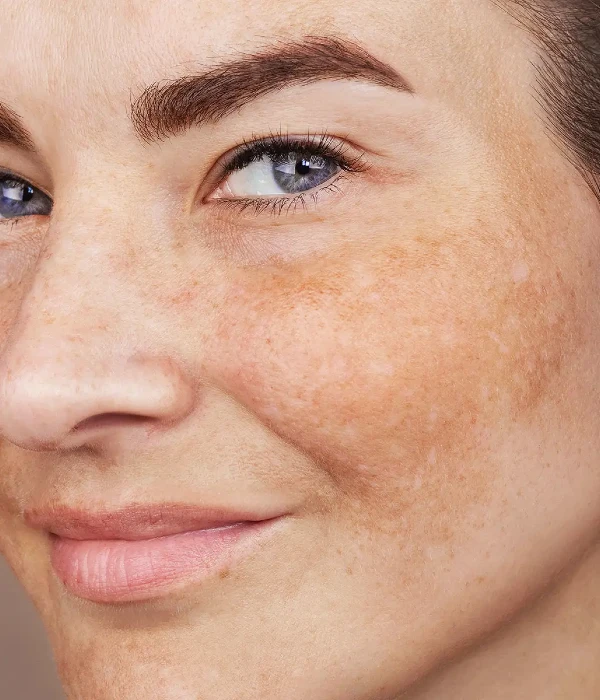
What Is Menopausal Skin?
Menopausal skin refers to the changes that can occur in the skin during perimenopause, menopause, and the years following menopause.
Hormonal changes can influence several aspects of skin health, including moisture levels, elasticity, texture, sensitivity, and overall appearance.
Menopausal skin can therefore present differently from person to person. Some may notice dryness and sensitivity, while others may be more concerned about fine lines, pigmentation, uneven texture, or loss of firmness.
Understanding the specific changes affecting your skin is an important first step towards creating an appropriate care plan.
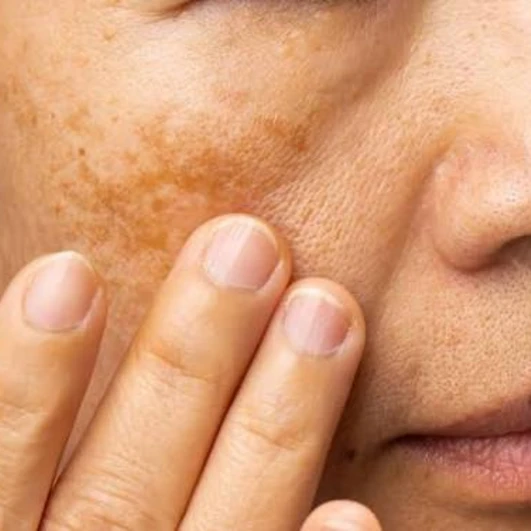
What Causes Changes in Menopausal Skin?
Several factors can contribute to changes in the skin during menopause, including:
- Hormonal changes
- Reduced skin hydration
- Changes in skin barrier function
- Changes in collagen and elasticity
- Increased sensitivity or irritation
- Age-related skin changes
- Sun exposure
- Lifestyle factors
- Previous skincare or aesthetic treatments
- Environmental stress
These factors can occur together, meaning that menopausal skin may require a more considered approach than simply adding more active skincare products.
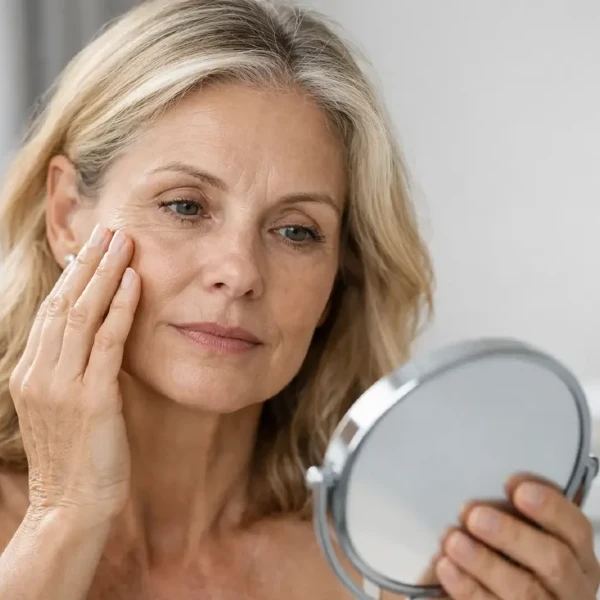
Menopausal skin may appear as:
- Increased dryness
- Tight or uncomfortable-feeling skin
- Increased sensitivity
- Fine lines and wrinkles
- Loss of firmness or elasticity
- Uneven skin texture
- Dull-looking skin
- Increased pigmentation or uneven tone
- Greater tendency towards irritation
- Changes in the appearance of pores
The appearance and severity of these concerns can vary significantly between individuals. A professional assessment can help determine which concerns should be prioritised.
Menopausal skin changes can affect all skin types, but the way they appear may differ.
Dry or sensitive skin may become more uncomfortable or reactive, while combination or oily skin can still experience dehydration and changes in texture.
People with medium to deeper skin tones may also need particular consideration when addressing pigmentation or inflammation, as irritation can sometimes contribute to post-inflammatory pigmentation.
Treatment should therefore be selected according to the individual’s skin type, sensitivity, pigmentation tendency, and overall skin condition.
Menopausal skin management can involve several approaches depending on the individual’s concerns.
A personalised plan may include:
- Gentle cleansing
- Regular moisturisation
- Barrier-supporting skincare
- Appropriate hydrating ingredients
- Daily broad-spectrum sunscreen
- Carefully selected active ingredients
- Professional exfoliation where appropriate
- Chemical peels in suitable cases
- Microneedling where appropriate
- Selected laser or light-based treatments
- Treatments focused on skin texture and firmness
No single treatment is suitable for every person experiencing menopausal skin changes.
The first priority is understanding what the skin needs and choosing an approach that supports comfort, skin health, and gradual improvement.
Professional skin treatments may be considered when skincare alone does not provide the desired improvement.
Depending on the individual, options may include professional exfoliation, chemical peels, microneedling, selected laser or light-based treatments, hydration-focused treatments, or combinations of approaches.
Treatment intensity should be carefully considered, particularly when the skin has become more sensitive or prone to dryness and irritation.
The objective is not to aggressively treat every visible sign of ageing, but to support healthier-looking skin while respecting its changing needs.
Daily habits can play an important role in maintaining menopausal skin.
Important considerations include:
- Consistent moisturisation
- Daily sunscreen use
- Avoiding unnecessary sun exposure
- Using gentle cleansing products
- Avoiding excessive exfoliation
- Supporting the skin barrier
- Introducing active ingredients gradually
- Maintaining a consistent skincare routine
- Staying hydrated
- Following professional treatment aftercare
Menopausal skin care is usually an ongoing process rather than a one-time treatment.
A Personalized Approach at AD Beauty
At AB Dhingra, menopausal skin is considered within the wider context of skin health.
Your skin type, sensitivity, hydration levels, texture, pigmentation, lifestyle, previous treatments, and skincare habits can all influence how your treatment plan should be designed.
The approach is:
Understand the skin → Identify changing needs → Personalise treatment → Support long-term skin health
The objective is natural-looking improvement while maintaining the skin’s comfort and overall health.
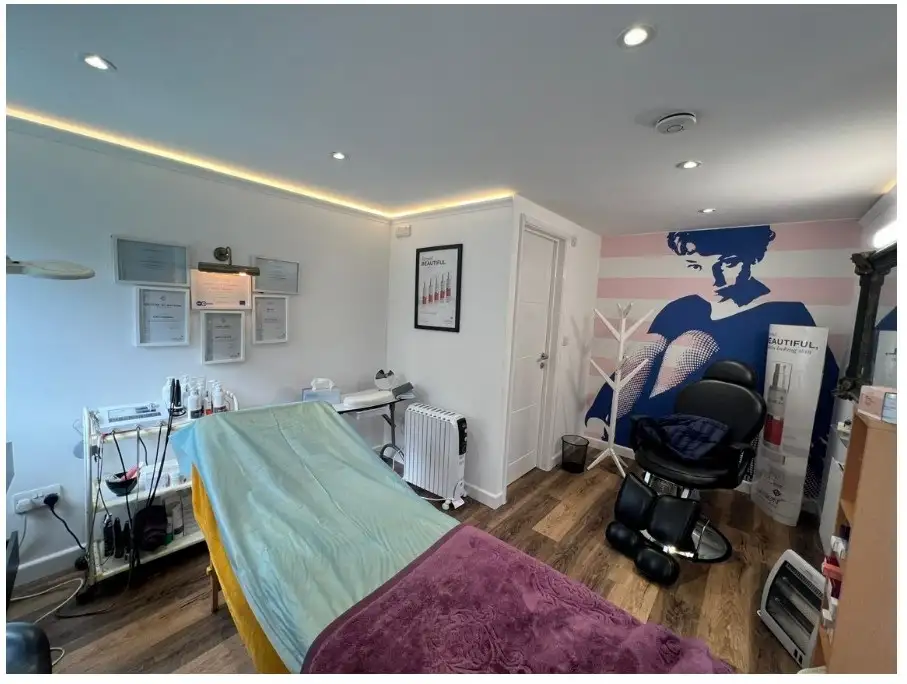

Meet Ankita B Dhingra
With 15+ years of professional experience across skincare, aesthetics, beauty, and client-focused care, AB Dhingra brings a personalised and considered approach to skin health and aesthetic treatments.
Her philosophy is centred on understanding individual skin needs rather than applying the same treatment to everyone.
AB Dhingra focuses on creating thoughtful treatment strategies based on the person’s skin, concerns, lifestyle, expectations, and long-term goals.
Understand the skin. Personalise the approach. Enhance natural confidence.
What Happens During a Menopausal Skin Consultation?
A typical menopausal skin consultation may include the following steps:
1. Skin Consultation
Your concerns, skincare history, lifestyle, previous procedures, and expectations are discussed.
2. Skin Assessment
The skin's hydration, texture, sensitivity, pigmentation, firmness, and overall appearance are assessed.
3. Identify Contributing Factors
Factors such as hormonal changes, sun exposure, skincare habits, lifestyle, and previous treatments may be considered.
4. Personalised Treatment Plan
Appropriate professional treatments and home-care recommendations are discussed according to your skin's current needs.
5. Aftercare Guidance
You receive guidance on caring for your skin and supporting the results of your chosen treatment.
06. Improved Skin Elasticity
Collagen support promotes firmer, more supple and elastic-looking skin.
Things to Know...
Is Menopausal Skin Treatment Painful?
Comfort depends on the treatment selected. Some approaches may cause warmth, tingling, mild discomfort, temporary sensitivity, or redness. Your treatment should be selected according to both your skin condition and your tolerance for discomfort and downtime.
How Long Does Menopausal Skin Treatment Take?
Treatment time varies depending on the procedure and the area being treated. A consultation can help determine the expected appointment length, number of sessions, recovery period, and ongoing maintenance requirements.
Menopausal Skin Recovery and Downtime
Recovery depends on the treatment used. Some approaches may involve little visible downtime, while professional peels, microneedling, or certain laser procedures may result in temporary redness, dryness, sensitivity, or peeling. Following the recommended aftercare is important for supporting the skin during recovery.
When Will You See Results?
Changes in menopausal skin are usually managed gradually. The timeline depends on the concerns being treated, treatment selected, individual skin response, skincare routine, lifestyle, and consistency with home care. Maintaining good daily skincare and sun protection can be important for supporting longer-term skin health.
Who Is a Good Candidate?
A consultation may be appropriate if you are concerned about: (Dry or dehydrated-looking skin, Increased skin sensitivity, Fine lines and wrinkles, Loss of firmness, Uneven texture, Dull-looking skin, Pigmentation or uneven tone, Changes in skin comfort, General skin changes associated with menopause) The appropriate treatment depends on your individual skin condition and concerns.
Why Choose a Personalised Pigmentation Approach in Dubai?
Dubai's climate, strong sun exposure, heat, and environmental conditions can place additional demands on the skin. A personalised approach takes into account: (Skin type, Skin sensitivity, Hydration levels, Pigmentation tendency, Sun exposure, Lifestyle, Previous treatments, Skincare routine, Desired outcome, Recovery requirements) The strongest treatment is not necessarily the best treatment. The right approach is one that addresses your concerns while respecting your skin's changing needs.
Book Menopausal Skin Treatment in Dubai
Restore comfort, confidence, and a healthier-looking complexion with personalised menopausal skin treatment in Dubai. Our approach focuses on your individual skin concerns and changing needs, helping improve dryness, uneven tone, pigmentation, and overall skin appearance. Book a consultation today to discuss suitable treatment options with our experienced team.
Menopausal Skin FAQs
What happens to the skin during menopause?
Hormonal changes during menopause can be associated with changes in hydration, sensitivity, elasticity, texture, and overall skin appearance. The experience varies from person to person.
Can menopause make your skin dry?
Yes, some people experience increased dryness or a tight-feeling complexion during menopause. A gentle skincare routine focused on hydration and supporting the skin barrier may be helpful.
Can menopause affect skin sensitivity?
Menopausal skin can become more sensitive or reactive. This is why introducing strong active ingredients or professional treatments should be approached carefully.
Can menopausal skin be treated with aesthetic treatments?
Depending on the individual’s skin condition, professional options may include chemical peels, microneedling, selected laser or light-based treatments, and other skin-focused procedures.
How often should menopausal skin treatments be done?
The appropriate frequency depends on the treatment, skin condition, recovery, and individual goals. A personalised consultation can help determine a suitable schedule.
Can menopausal skin treatments improve fine lines?
Certain professional treatments may help improve the appearance of fine lines and skin texture. The appropriate option depends on the individual’s skin and treatment goals.
Is menopausal skin treatment suitable for sensitive skin?
Some treatments may be suitable for sensitive skin, but treatment selection and intensity need to be carefully considered. A personalised assessment is important before choosing a procedure.
Is sunscreen important for menopausal skin?
Yes. Daily broad-spectrum sunscreen can help protect the skin from ultraviolet exposure and support the management of visible signs of skin ageing and pigmentation.
Get In Touch




Opening hours
Monday – Friday: 9:00 AM – 6:00 PM
Saturday: 10:00 AM – 4:00 PM
Sunday: Closed
Let's Talk About Your Skin
Leave your details below, and we’ll be in touch shortly.