
Pigmentation in Dubai: Pigmentation Care for More Even-Looking Skin
Pigmentation is one of the most common skin concerns, particularly in climates with strong sun exposure such as Dubai. Uneven pigmentation can appear as darker patches, spots, or areas of uneven skin tone and may develop due to sun exposure, hormonal changes, inflammation, acne, ageing, or other factors.
At AB Dhingra, pigmentation is approached by understanding why the discolouration has developed rather than simply focusing on making the skin appear lighter. A personalised approach considers your skin type, pigmentation pattern, lifestyle, previous treatments, skincare routine, and sun exposure.
The goal is healthier-looking, more balanced skin with a treatment plan suited to your individual needs.
- 5-Star Google Reviews
- 15+ Years Experience
- Certified Skin Specialist
Treatment Time
45–60 Minutes
Downtime
Usually 24–48 Hours
Best For
Scars · Lines · Texture · Pores
Course
Typically 3–6 Sessions
Treatment Time
30–60 Minutes
Downtime
Usually 2–5 Hours
Best For
Pigmentation · Dark Spots · Uneven Tone · Sun Damage
Course
Typically 3–6 Sessions
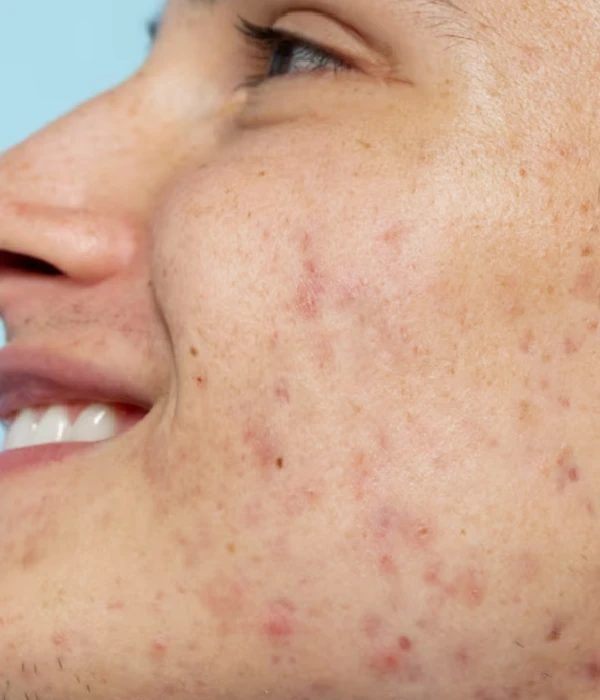
What Is Pigmentation?
Pigmentation refers to the colour of the skin, which is largely influenced by melanin, the natural pigment produced by specialised cells called melanocytes.
When melanin production or distribution becomes uneven, darker or lighter areas may become visible. Pigmentation can occur on the face, neck, chest, hands, or other areas exposed to environmental factors.
Not all pigmentation is the same. Freckles, sun spots, post-inflammatory pigmentation, melasma, and other forms of discolouration can have different causes and may respond differently to treatment.
Understanding the type of pigmentation is therefore an important first step.
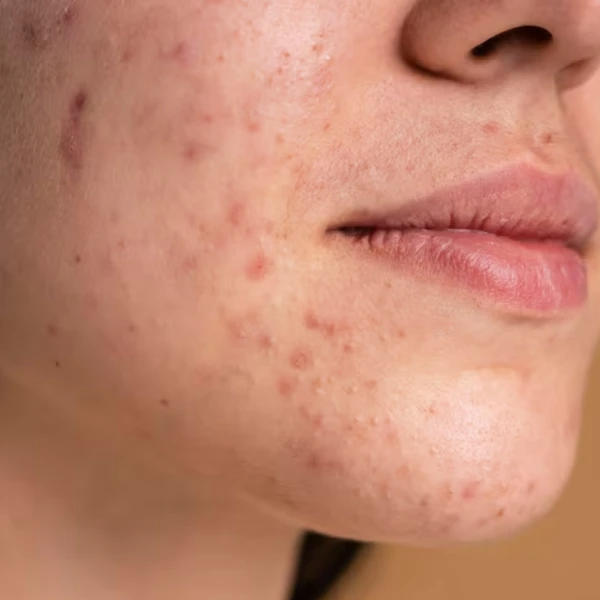
Common Signs of Pigmentation
Pigmentation may appear as:
- Dark spots
- Brown patches
- Uneven facial tone
- Post-acne marks
- Sun-related spots
- Patchy discolouration
- Darker areas around certain parts of the face
- Uneven tone on the neck or décolletage
The appearance and distribution can provide clues about the underlying concern, but professional assessment may be required to distinguish between different pigmentation conditions.
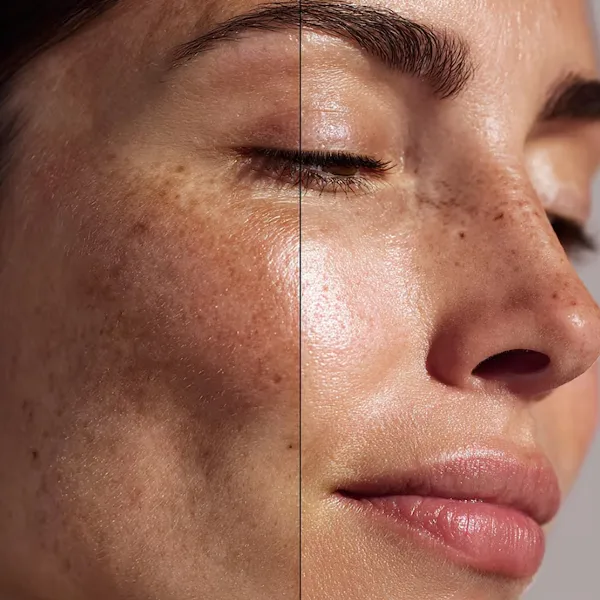
Pigmentation can affect all skin tones, but people with medium to deeper skin tones may be more prone to developing visible pigmentation after inflammation or skin injury.
This makes treatment selection particularly important.
An overly aggressive approach may cause irritation, which can sometimes contribute to further post-inflammatory pigmentation. A carefully planned treatment strategy aims to improve the existing concern while maintaining the skin’s overall health and comfort.
Pigmentation management can involve several approaches depending on its cause and severity.
A personalised plan may include:
- Daily broad-spectrum sunscreen
- Gentle skincare
- Pigment-supporting topical ingredients
- Professional exfoliation
- Chemical peels
- Selected laser or light-based treatments
- Microneedling in appropriate cases
- Treatment of underlying acne or inflammation
No single treatment is appropriate for every pigmentation concern. The first priority is identifying what is causing the pigmentation and selecting an approach that fits the skin.
Professional pigmentation treatments may be considered when skincare alone does not provide the desired improvement.
Depending on the individual, options can include chemical peels, microneedling, selected laser treatments, or combinations of approaches.
Treatment intensity should be carefully considered, particularly for pigmentation-prone skin.
The aim is not to aggressively remove pigment but to encourage a more even-looking complexion while reducing the factors that may contribute to recurring pigmentation.
Daily habits can influence pigmentation significantly.
Important considerations include:
- Consistent sunscreen use
- Limiting unnecessary sun exposure
- Wearing protective clothing or hats outdoors
- Avoiding excessive skin irritation
- Using gentle cleansing products
- Avoiding unnecessary picking or squeezing of spots
- Maintaining a consistent skincare routine
- Following professional treatment aftercare
Pigmentation management is usually a process rather than a one-time treatment.
A Personalized Approach at AD Beauty
At AD Beauty, pigmentation is considered within the wider context of skin health.
Your skin tone, sensitivity, pigmentation pattern, lifestyle, previous treatments, and skincare habits can all influence how a treatment plan should be designed.
The approach is:
Understand the pigmentation → Identify contributing factors → Personalise treatment → Support long-term skin health
The objective is natural-looking improvement rather than an artificial change in skin colour.
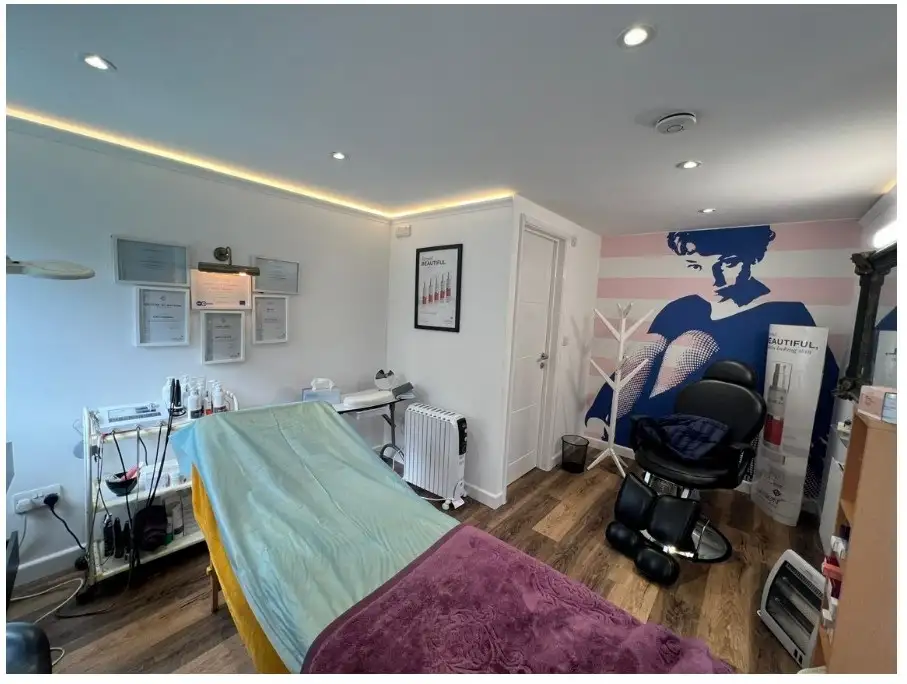

Meet Ankita B Dhingra
With 15+ years of professional experience across skincare, aesthetics, beauty, and client-focused care, AB Dhingra brings a personalised and considered approach to skin health and aesthetic treatments.
Her philosophy is centred on understanding individual skin needs rather than applying the same treatment to everyone.
AB Dhingra focuses on creating thoughtful treatment strategies based on the person’s skin, concerns, lifestyle, expectations, and long-term goals.
Understand the skin. Personalise the approach. Enhance natural confidence.
What Happens During a Pigmentation Consultation?
A typical pigmentation consultation may include the following steps:
1. Skin Consultation
Your concerns, skincare history, lifestyle, previous procedures, and expectations are discussed.
2. Skin Assessment
The appearance, distribution, and characteristics of pigmentation are assessed.
3. Identify Contributing Factors
Factors such as sun exposure, acne, inflammation, hormones, and skincare habits may be considered.
4. Personalised Treatment Plan
Appropriate professional treatments and home-care recommendations are discussed.
5. Aftercare Guidance
You receive guidance on protecting the skin and supporting your treatment results.
06. Improved Skin Elasticity
Collagen support promotes firmer, more supple and elastic-looking skin.
Things to Know...
Is Pigmentation Treatment Painful?
Comfort depends on the treatment selected. Some approaches may cause warmth, tingling, mild discomfort, or temporary sensitivity. Your treatment should be selected according to both your skin concern and your tolerance for downtime and discomfort.
How Long Does Pigmentation Treatment Take?
Treatment time varies according to the procedure and area being treated. A consultation is useful for understanding the expected appointment length, number of sessions, recovery, and maintenance requirements.
Pigmentation Recovery and Downtime
Recovery depends on the treatment used. Some approaches involve little visible downtime, while professional peels, microneedling, or certain laser procedures may cause temporary redness, dryness, sensitivity, or peeling. Following aftercare instructions is important.
When Will You See Results?
Pigmentation often improves gradually. The timeline depends on the underlying cause, treatment selected, skin response, sun exposure, and consistency with home care. Maintaining sun protection is particularly important because pigmentation can recur with continued ultraviolet exposure.
Who Is a Good Candidate?
A consultation may be appropriate if you are concerned about: (Uneven skin tone, Brown spots, Post-acne pigmentation, Sun-related pigmentation, Facial discolouration, Persistent dark patches) The appropriate treatment depends on the cause and type of pigmentation.
Why Choose a Personalised Pigmentation Approach in Dubai?
Dubai's climate and strong sun exposure make pigmentation management an ongoing consideration. A personalised approach takes into account: (Skin tone, Pigmentation tendency, Sun exposure, Lifestyle, Previous treatments, Skincare routine, Desired outcome, Recovery requirements). The strongest treatment is not necessarily the best treatment. The right treatment is one that is appropriately matched to your skin.
Book Pigmentation Treatment in Dubai
Take the first step towards a more even, healthy-looking complexion with a personalised pigmentation assessment. Your skin tone, pigmentation concerns, sun exposure, skincare routine, and previous treatments will be considered before recommending a suitable approach. Discover treatment options tailored to your skin and goals, with realistic expectations and personalised aftercare guidance.
Pigmentation FAQs
Can pigmentation be completely removed?
Some pigmentation can be significantly improved, but complete and permanent removal cannot be guaranteed. Recurrence is possible, particularly with continued sun exposure.
What is the best treatment for pigmentation?
There is no single best treatment. The appropriate option depends on the type and cause of pigmentation.
Does sunscreen help pigmentation?
Consistent sun protection can help reduce further UV-related pigmentation and support the results of pigmentation treatments.
Can pigmentation come back?
Yes. Pigmentation can recur due to sun exposure, hormones, inflammation, or other underlying factors.
Is pigmentation treatment suitable for darker skin?
Many treatments can be used for darker skin, but treatment selection and intensity should be carefully personalised.
Get In Touch




Opening hours
Monday – Friday: 9:00 AM – 6:00 PM
Saturday: 10:00 AM – 4:00 PM
Sunday: Closed
Let's Talk About Your Skin
Leave your details below, and we’ll be in touch shortly.