
Acne Treatment in Dubai: A Considered Approach to Skin Health
Acne is one of the most common skin concerns and can affect teenagers and adults alike. In Dubai, factors such as heat, humidity, sun exposure, sweating, lifestyle, skincare products, and environmental stress can influence how the skin behaves.
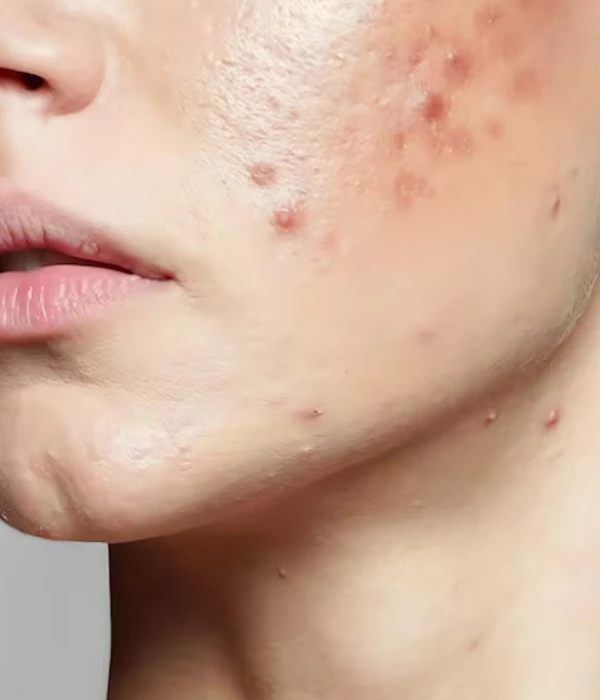
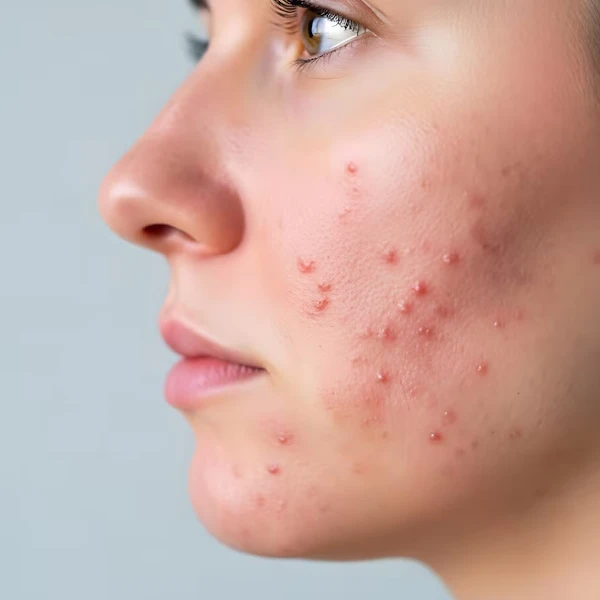
Acne may appear as blackheads, whiteheads, red spots, pustules, painful deeper lesions, or persistent breakouts. It can also leave behind post-acne marks, pigmentation, or changes in skin texture.
At AB Dhingra, acne is approached by understanding why breakouts are developing rather than simply treating individual spots. A personalised approach considers your skin type, acne pattern, sensitivity, lifestyle, skincare routine, previous treatments, and factors that may be contributing to recurring breakouts.
The goal is healthier-looking, more balanced skin with a treatment approach suited to your individual needs.
- 5-Star Google Reviews
- 15+ Years Experience
- Certified Skin Specialist
Treatment Time
45–60 Minutes
Downtime
Usually 24–48 Hours
Best For
Scars · Lines · Texture · Pores
Course
Typically 3–6 Sessions
Treatment Time
30–60 Minutes
Downtime
Usually 2–5 Hours
Best For
Pigmentation · Dark Spots · Uneven Tone · Sun Damage
Course
Typically 3–6 Sessions
What Is Acne?
Acne is a common skin condition that develops when hair follicles become blocked with oil, dead skin cells, and other debris. Inflammation and changes in oil production can contribute to the development of different types of acne.
Acne can affect the face, neck, chest, shoulders, back, or other areas where oil glands are more active.
Not all acne is the same. Blackheads, whiteheads, inflammatory spots, pustules, and deeper acne lesions can have different characteristics and may require different treatment approaches.
Understanding the type, severity, and pattern of acne is therefore an important first step.
What Causes Acne?
Several factors can contribute to acne, including:
- Increased oil production
- Blocked pores
- Dead skin cell build-up
- Hormonal changes
- Inflammation
- Genetics and family history
- Stress and lifestyle factors
- Certain skincare or cosmetic products
- Friction, sweating, or occlusive clothing
- Certain medications
- Picking or squeezing spots
In Dubai, heat and sweating can be additional considerations for some people. Frequent exposure to environmental factors, combined with unsuitable skincare products, may also contribute to irritation or breakouts.
Identifying the factors contributing to your acne can help create a more appropriate treatment strategy.
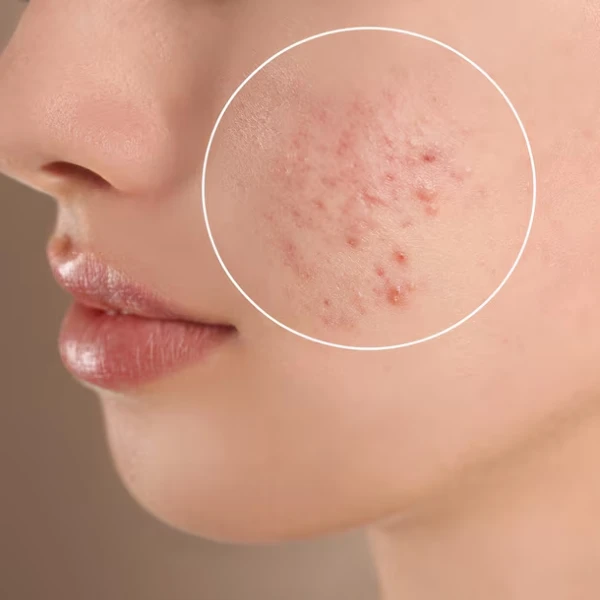
Acne can affect all skin types and tones. However, the way acne heals can differ between individuals.
People with medium to deeper skin tones may be more prone to developing visible post-inflammatory pigmentation after acne or skin inflammation.
This makes treatment selection particularly important.
An overly aggressive approach may cause irritation and inflammation, which can potentially worsen breakouts or contribute to post-acne pigmentation. A carefully planned treatment strategy aims to manage acne while supporting the skin’s overall health and comfort.
Acne management can involve several approaches depending on the type, severity, duration, and underlying causes of the breakouts.
A personalised plan may include:
- Gentle cleansing
● Appropriate daily skincare
● non-comedogenic skincare and cosmetic products
● Acne-supporting topical ingredients
● Professional exfoliation where appropriate
● Chemical peels
● Selected light or laser-based treatments
● Microneedling for appropriate post-acne concerns
● Treatment of active inflammation
● Management of post-acne pigmentation and texture
No single treatment is appropriate for every acne concern. The first priority is understanding the type of acne and contributing factors before selecting an approach that fits the skin.
Professional acne treatments may be considered when a consistent skincare routine alone does not provide the desired improvement.
Depending on the individual, options can include chemical peels, selected light or laser treatments, professional exfoliation, or combinations of approaches.
Treatment intensity should be carefully considered, particularly for sensitive or pigmentation-prone skin.
The aim is not simply to aggressively dry out or remove spots. A considered approach focuses on managing breakouts, supporting the skin barrier, reducing factors that contribute to inflammation, and addressing concerns that may remain after acne improves.
Daily habits can influence acne management significantly.
Important considerations include:
- Cleansing the skin gently
- Avoiding excessive scrubbing
- Using suitable non-comedogenic products
- Removing makeup thoroughly
- Avoiding unnecessary picking or squeezing
- Keeping skin-contact items clean
- Managing excessive sweating where possible
- Avoiding unnecessary skin irritation
- Maintaining a consistent skincare routine
- Following professional treatment aftercare
Acne management is usually a process rather than a one-time treatment. Consistency with appropriate skincare and professional recommendations can be important for maintaining healthier-looking skin.
A Personalized Approach at AD Beauty
At AB Dhingra, acne is considered within the wider context of skin health.
Your skin type, acne pattern, sensitivity, lifestyle, previous treatments, skincare habits, and long-term goals can all influence how a treatment plan should be designed.
The approach is:
Understand the acne → Identify contributing factors → Personalise treatment → Support long-term skin health
The objective is natural-looking improvement while maintaining the health and comfort of the skin.
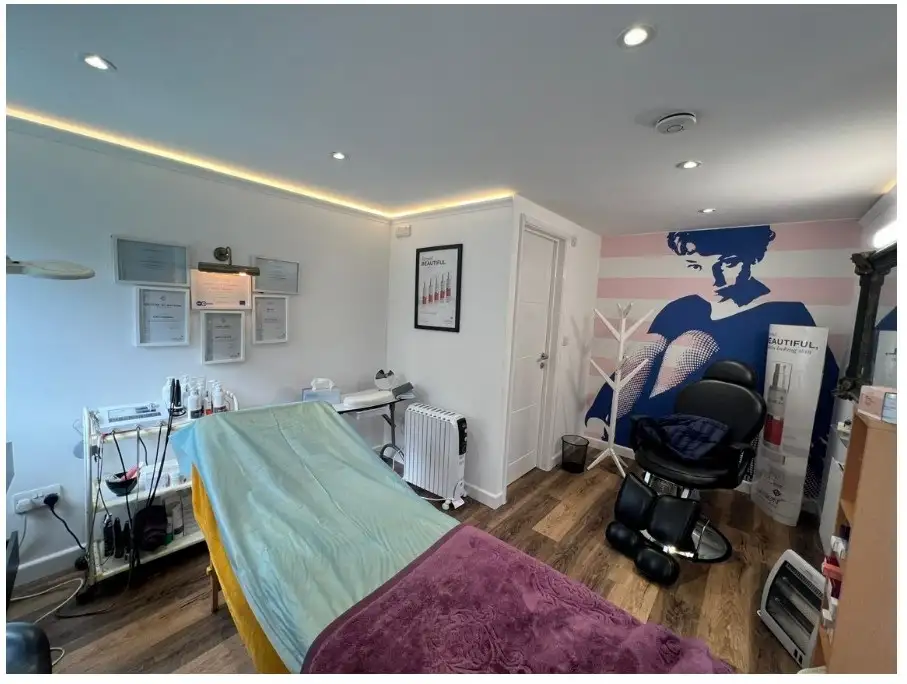

Meet Ankita B Dhingra
With 15+ years of professional experience across skincare, aesthetics, beauty, and client-focused care, AB Dhingra brings a personalised and considered approach to skin health and aesthetic treatments.
Her philosophy is centred on understanding individual skin needs rather than applying the same treatment approach to everyone.
AB Dhingra focuses on creating thoughtful treatment strategies based on the person’s skin, concerns, lifestyle, expectations, and long-term goals.
Understand the skin. Personalise the approach. Enhance natural confidence.
What Happens During a Acne Consultation?
A typical Acne consultation may include the following steps:
1. Skin Consultation
Your acne concerns, skincare history, lifestyle, previous procedures, products, and expectations are discussed.
2. Skin Assessment
The appearance, distribution, severity, and characteristics of your acne are assessed.
3. Identify Contributing Factors
Appropriate professional treatments and home-care recommendations are discussed according to your individual skin needs.
4. Personalised Treatment Plan
Appropriate professional treatments and home-care recommendations are discussed according to your individual skin needs.
5. Aftercare Guidance
You receive guidance on skincare, treatment aftercare, and habits that may help support your skin and treatment results.
06. Improved Skin Elasticity
Collagen support promotes firmer, more supple and elastic-looking skin.
Things to Know...
Is Acne Treatment Painful?
Comfort depends on the treatment selected. Some professional approaches may cause warmth, tingling, mild discomfort, temporary sensitivity, or redness. Your treatment should be selected according to your skin concern, sensitivity, and tolerance for downtime and discomfort. A consultation can help determine which approach is most appropriate for you.
How Long Does Acne Treatment Take?
Treatment time varies according to the procedure and the area being treated. A consultation is useful for understanding the expected appointment length, number of sessions, recovery, and maintenance requirements. The number of treatments required can vary because acne severity and individual skin response differ from person to person.
Acne Treatment Recovery and Downtime
Recovery depends on the treatment used. Some approaches involve little visible downtime, while professional peels, exfoliation, microneedling, or certain laser procedures may cause temporary redness, dryness, sensitivity, or peeling. Following aftercare instructions is important to support the skin during recovery.
When Will You See Results?
Acne often improves gradually rather than immediately. The timeline depends on the type and severity of acne, treatment selected, skin response, contributing factors, and consistency with recommended skincare. Post-acne pigmentation and texture can also take additional time to improve after active breakouts have been managed. Maintaining a consistent skincare routine is particularly important for supporting long-term results.
Who Is a Good Candidate?
A consultation may be appropriate if you are concerned about: (Frequent breakouts, Blackheads or whiteheads, Inflammatory acne, Persistent facial acne, Adult acne, Acne-related pigmentation, Post-acne marks, Uneven skin texture, Recurring breakouts, Acne that has not improved with your current skincare routine.) The appropriate treatment depends on the type, severity, and underlying factors associated with your acne.
Why Choose a Personalised Acne Approach in Dubai?
Dubai's climate, heat, sweating, sun exposure, lifestyle, and environmental factors can all be relevant considerations when managing acne. A personalised approach takes into account: (Skin type, Acne severity and pattern, Skin sensitivity, Oil production, Lifestyle, Skincare routine, Previous treatments, Acne-related pigmentation, Desired outcome, Recovery requirements) The strongest treatment is not necessarily the best treatment. The right treatment is one that is appropriately matched to your skin and individual concerns.
Book Acne Treatment in Dubai
Ready for clearer, healthier-looking skin? Book your acne treatment in Dubai for personalised care tailored to your skin type and concerns. Our approach focuses on managing breakouts, inflammation, and acne-related skin changes with suitable professional treatments. A consultation helps determine the right treatment plan for your needs. Schedule your appointment today and take a confident step towards smoother, more balanced-looking skin.
Acne Frequently Asked Questions
What is the best treatment for acne?
There is no single best treatment for everyone. The appropriate approach depends on the type, severity, causes, skin type, and individual response to treatment.
Can acne be completely cured?
Acne can often be managed and significantly improved, but results vary between individuals. Some people may experience recurring breakouts, particularly when underlying contributing factors remain.
Does acne treatment also help acne scars?
Treatment depends on whether the concern is active acne, post-acne pigmentation, or true acne scarring. Different concerns may require different approaches, and these should be assessed individually.
Can acne come back after treatment?
Yes. Acne can recur because of hormonal changes, oil production, genetics, lifestyle factors, skincare products, or other underlying contributors. Long-term skin management can therefore be important.
Is acne treatment suitable for darker skin?
Many acne treatments can be used for darker skin, but treatment selection and intensity should be carefully personalised because inflammation or irritation may increase the risk of post-inflammatory pigmentation.
Should I squeeze acne spots?
Avoiding unnecessary picking or squeezing is generally recommended because it can increase irritation and inflammation and may contribute to post-acne marks or scarring.
Get In Touch




Opening hours
Monday – Friday: 9:00 AM – 6:00 PM
Saturday: 10:00 AM – 4:00 PM
Sunday: Closed
Let's Talk About Your Skin
Leave your details below, and we’ll be in touch shortly.